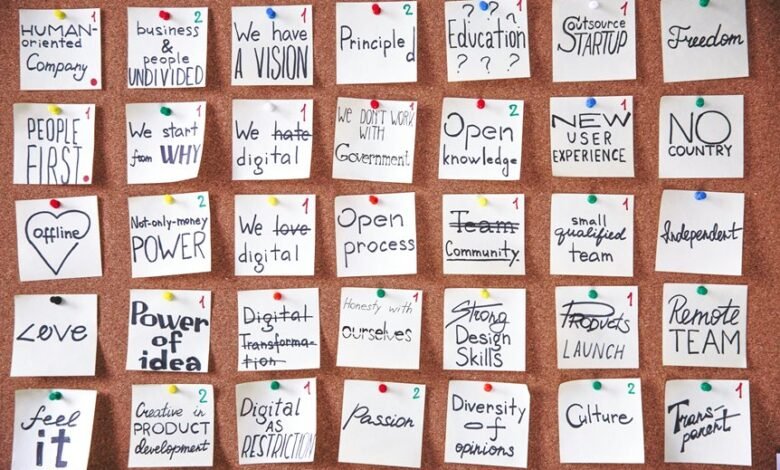
The Strategic Insight Model 3890622623 offers a structured approach to navigating the complexities of digital transformation. It emphasizes the importance of aligning strategies with technology adoption and fostering a collaborative culture. This model encourages organizations to embrace change while integrating diverse stakeholder perspectives. As companies face the challenges of an evolving digital landscape, understanding the nuances of this framework may well determine their future success. What key aspects should organizations prioritize in this transformative journey?
Understanding the Strategic Insight Model 3890622623
The Strategic Insight Model serves as a pivotal framework for organizations navigating the complexities of digital transformation.
It emphasizes the importance of strategic alignment and organizational readiness, enabling entities to harmonize their goals with evolving digital landscapes.


This model fosters a collaborative environment, encouraging teams to innovate and adapt, ultimately empowering them to embrace change and achieve sustainable growth in an increasingly dynamic world.
Key Components of Digital Transformation
As organizations embark on their digital transformation journeys, several key components emerge as critical enablers of success.
Technology adoption is essential, facilitating innovative solutions that drive efficiency and growth.
Equally important is the cultural shift, which fosters an environment of collaboration and adaptability.
Together, these components empower organizations to navigate the complexities of transformation, ultimately achieving greater freedom and responsiveness in an evolving digital landscape.
Implementing the Model in Your Organization
Implementing the Strategic Insight Model requires a systematic approach that aligns organizational resources with digital transformation goals.
Effective change management is essential, fostering a culture that embraces innovation. Engaging stakeholders collaboratively ensures diverse perspectives, driving commitment and ownership throughout the transformation process.
Measuring Success and Continuous Improvement
How can organizations effectively measure the success of their digital transformation initiatives while fostering a culture of continuous improvement?
By establishing clear success metrics, organizations can evaluate outcomes and adapt strategies accordingly.
Emphasizing improvement cycles encourages collaborative efforts, empowering teams to innovate and refine processes.
This approach not only enhances operational efficiency but also nurtures an environment where freedom and creativity thrive.
Conclusion
In the grand theater of digital transformation, the Strategic Insight Model 3890622623 emerges as the star performer, dazzling audiences with promises of agility and innovation. Yet, as organizations embrace this model, one must wonder if they’re truly transforming or merely adopting the latest buzzword like a trendy accessory. Meanwhile, stakeholders cheer from the sidelines, blissfully unaware that continuous improvement might just be a euphemism for perpetual motion on the hamster wheel of change. Bravo!