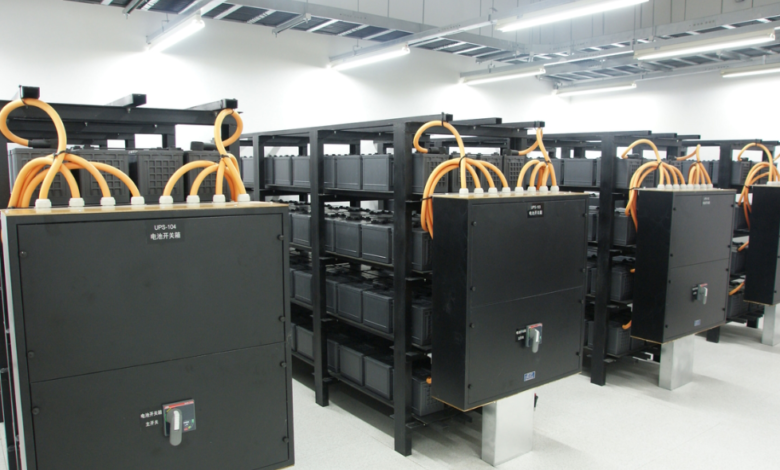
In today’s technology-driven world, a continuous and stable power supply is essential for homes, businesses, and industrial environments. Power outages, voltage fluctuations, and electrical disturbances can disrupt operations, damage equipment, and cause significant data loss. This is where uninterrupted power supplies play a crucial role. They act as a protective barrier between electrical systems and unexpected power problems, ensuring reliability and continuity.
What Are Uninterrupted Power Supplies?
Uninterrupted power supplies, commonly known as UPS systems, are devices designed to provide instant backup power when the main electrical source fails or becomes unstable. Unlike generators, which may take time to start, uninterrupted power supplies deliver power immediately, preventing even a fraction of a second of downtime.
These systems are widely used to protect sensitive electronics such as computers, servers, medical equipment, industrial machines, and communication systems. Their primary purpose is not long-term power generation but short-term power stabilization and protection.


How Uninterrupted Power Supplies Work
Uninterrupted power supplies operate by storing energy in internal batteries or capacitors. When the incoming electrical supply is normal, the UPS charges its battery while supplying clean and regulated power to connected devices. If a power interruption or voltage irregularity occurs, the UPS instantly switches to battery power, ensuring continuous operation.
Key components include:
- A rectifier to convert incoming AC power into DC power
- A battery system for energy storage
- An inverter to convert DC power back into AC power
- A control circuit to manage power flow and switching
This seamless process ensures that connected equipment experiences no disruption.
See also: Choosing the Right Material for Your Bathroom Vanity Sink
Types of Uninterrupted Power Supplies
Understanding the different types of uninterrupted power supplies helps in choosing the right system for specific needs.
Standby Uninterrupted Power Supplies
These are basic systems primarily used for personal computers and small office devices. They remain idle during normal operation and activate only when a power failure is detected. While cost-effective, they offer limited protection against minor voltage fluctuations.
Line-Interactive Uninterrupted Power Supplies
Line-interactive UPS systems provide enhanced protection by regulating voltage fluctuations without switching to battery power. They are suitable for small to medium-sized businesses and environments with frequent voltage variations.
Online Uninterrupted Power Supplies
Online or double-conversion UPS systems offer the highest level of protection. They continuously convert incoming power and supply clean, consistent electricity to connected equipment. These systems are ideal for data centers, hospitals, and industrial operations where power quality is critical.
Benefits of Using Uninterrupted Power Supplies
The importance of uninterrupted power supplies extends beyond simple backup power. Their benefits include:
Equipment Protection
Electrical surges, spikes, and voltage drops can damage sensitive equipment. UPS systems protect devices by delivering stable power and filtering harmful electrical noise.
Data Security
Sudden power loss can result in corrupted files and data loss. Uninterrupted power supplies provide enough time to save work and safely shut down systems.
Operational Continuity
In business environments, even brief downtime can lead to productivity losses and financial setbacks. UPS systems ensure continuous operation during power disturbances.
Improved Power Quality
By regulating voltage and frequency, uninterrupted power supplies enhance overall power quality, extending the lifespan of connected equipment.
Applications of Uninterrupted Power Supplies
Uninterrupted power supplies are used across various sectors due to their versatility and reliability.
Residential Use
In homes, UPS systems protect computers, routers, smart home devices, and entertainment systems from power interruptions and surges.
Commercial and Office Environments
Offices rely on uninterrupted power supplies to keep computers, communication systems, and security equipment operational during power failures.
Healthcare Facilities
Medical equipment requires continuous power to ensure patient safety. UPS systems support critical devices such as ventilators, monitoring systems, and diagnostic equipment.
Industrial and Manufacturing Settings
Factories and production lines depend on uninterrupted power supplies to prevent machinery damage, production errors, and costly downtime.
Data Centers and IT Infrastructure
Data centers use advanced UPS systems to maintain server uptime, protect data integrity, and support seamless operations during power disruptions.
Choosing the Right Uninterrupted Power Supply
Selecting the right uninterrupted power supply requires careful consideration of several factors.
Power Capacity
Determine the total power consumption of connected devices and choose a UPS with sufficient capacity to handle the load.
Runtime Requirements
Different applications require different backup durations. Some systems only need a few minutes for safe shutdown, while others require longer runtimes.
Environment and Installation
Consider available space, ventilation, and environmental conditions when selecting a UPS system.
Scalability
For growing businesses, scalable uninterrupted power supplies allow for future expansion without replacing the entire system.
Maintenance and Care of Uninterrupted Power Supplies
Proper maintenance ensures reliable performance and extends the lifespan of uninterrupted power supplies.
- Regularly inspect batteries for wear and degradation
- Perform routine testing to ensure system readiness
- Keep the UPS environment clean and well-ventilated
- Replace batteries according to manufacturer recommendations
Neglecting maintenance can compromise the effectiveness of the system when it is needed most.
The Future of Uninterrupted Power Supplies
As technology advances, uninterrupted power supplies are becoming more efficient, compact, and intelligent. Modern systems incorporate energy-efficient designs, smart monitoring, and remote management features. Integration with renewable energy sources and smart grids is also shaping the future of power protection solutions.
With increasing reliance on digital infrastructure, the demand for reliable uninterrupted power supplies will continue to grow across all sectors.
Frequently Asked Questions (FAQs)
What is the main purpose of uninterrupted power supplies?
The main purpose of uninterrupted power supplies is to provide immediate backup power and protect equipment from electrical disturbances such as outages, surges, and voltage fluctuations.
How long can uninterrupted power supplies provide backup power?
The backup duration depends on the UPS capacity and connected load. It can range from a few minutes to several hours with additional battery support.
Are uninterrupted power supplies only for computers?
No, uninterrupted power supplies are used for a wide range of applications, including medical equipment, industrial machinery, communication systems, and home electronics.
Do uninterrupted power supplies improve power quality?
Yes, they regulate voltage and filter electrical noise, delivering cleaner and more stable power to connected devices.
How often should UPS batteries be replaced?
UPS batteries typically need replacement every three to five years, depending on usage and environmental conditions.
Conclusion
Uninterrupted power supplies are essential components of modern electrical systems, providing reliable protection against power interruptions and electrical instability. From safeguarding critical data to ensuring operational continuity, their role is indispensable in residential, commercial, and industrial settings. By choosing the right system and maintaining it properly, users can significantly reduce risks associated with power disturbances. As reliance on technology continues to increase, uninterrupted power supplies will remain a cornerstone of dependable and efficient power management solutions.