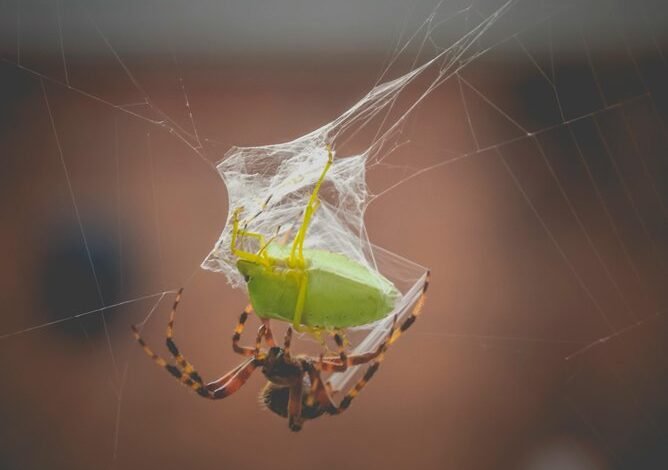
The Brazilian Wandering Spider, or *Phoneutria* spp., is often classified as the most dangerous spider in the world. Its venom is highly neurotoxic, capable of causing severe symptoms in humans. This spider exhibits aggressive behavior and is commonly found in both tropical and urban environments. Understanding its characteristics and behavior is crucial for assessing the risks posed by encounters. However, the implications of its bites raise critical questions about treatment and prevention.
Characteristics of the Brazilian Wandering Spider
The Brazilian Wandering Spider, known scientifically as *Phoneutria* spp., exhibits several distinctive characteristics that contribute to its reputation as one of the most dangerous spiders in the world.
Its web structure is often irregular, providing minimal protection, while its venom composition is notably potent, containing neurotoxins that can cause severe symptoms in humans.


These traits enhance its predatory efficiency and potential threat to unsuspecting individuals.
Habitat and Distribution
Widespread across tropical and subtropical regions, the Brazilian Wandering Spider inhabits various environments, including rainforests, savannas, and even urban areas.
These spiders thrive in rainforest ecosystems, where dense vegetation provides ample cover and prey.
Additionally, their adaptability allows them to occupy urban environments, often seeking shelter in gardens, homes, and other structures, thereby increasing human encounters and potential risks.
Behavior and Hunting Techniques
Exhibiting a unique blend of aggression and agility, the Brazilian Wandering Spider is renowned for its hunting prowess.
Its aggressive tendencies are particularly evident during nocturnal activities, where it actively seeks out prey rather than constructing webs.
Utilizing swift movements and keen sensory perception, this spider effectively ambushes insects and small vertebrates, showcasing a remarkable adaptation to its environment that enhances its survival and reproductive success.
Medical Implications of Bites
While encounters with the Brazilian Wandering Spider are relatively rare, the medical implications of its bites can be significant.
Bite symptoms may include severe pain, swelling, and systemic reactions such as hypertension.
Immediate medical attention is essential, with treatment options ranging from pain management to antivenom administration in severe cases.
Prompt intervention can mitigate complications, ensuring better outcomes for affected individuals.
Conclusion
In conclusion, the Brazilian Wandering Spider embodies a lethal combination of potent venom and aggressive behavior, lurking in shadows across urban and wild landscapes. Its presence serves as a reminder of nature’s unpredictability, where a seemingly innocuous encounter can escalate into a medical emergency. As researchers continue to study this formidable arachnid, the question remains: how many unaware individuals may cross paths with this spider, and what consequences might unfold in the darkness of night?